
Nestled at the very core of Frederick, Maryland, Baker Park is not just a patch of green amid a bustling city. It’s a beloved neighborhood, a gathering space, and a living memory book that tells the story of Frederick’s evolution through the 20th and 21st centuries. With its serene Carillon, historic homes, lush fields, and winding paths, Baker Park has become synonymous with community spirit—an iconic emblem of Frederick’s charm, pride, and welcoming warmth.
The Origins: A Vision for Frederick
At the dawn of the twentieth century, Frederick was a thriving hub, growing with each new avenue and front porch. Cities across America began to recognize the value of green benches and shady promenades to both residents’ well-being and local identity. Frederick’s own transformation started in 1927, when civic leader Joseph Dill Baker, for whom the park and neighborhood are named, gifted the city $13,000 to purchase land along Carroll Creek.
Joseph D. Baker and his wife, wife Elizabeth, wanted to save this slice of Frederick from industrial development. Their vision was clear: to create a public oasis for all. The park, shaped by the renowned landscape architect Claude Worthington, would become not only a respite from city bustle but a model for community parks everywhere.
“Baker Park”: A Neighborhood Grows Around a Park
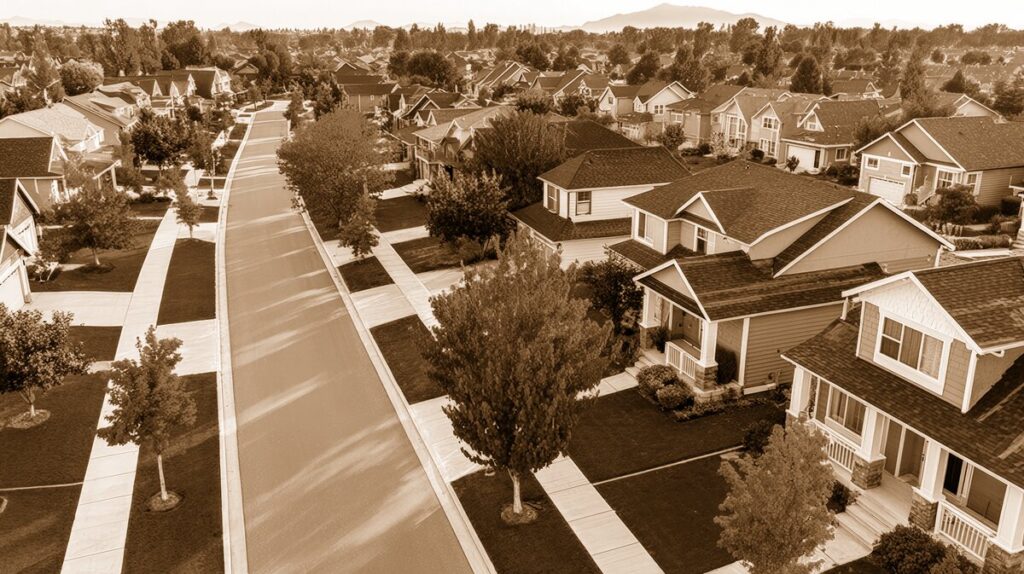
As Baker Park took root, the neighborhood surrounding it blossomed in tandem. Centered around the park’s picturesque 58 acres, Baker Park the neighborhood quickly became one of Frederick’s most desirable addresses. Streets like West 2nd Street, Magnolia Avenue, and College Avenue are now lined with grand old trees and historic homes—many dating back to the 1920s and ‘30s.
Baker Park wasn’t just an amenity; it set the tone for the neighborhood’s growth. Families settled here for easy access to both downtown’s vibrance and the tranquility of open space. Over the decades, many homes have retained their original character, with Colonial Revivals and Craftsman bungalows reflecting the neighborhood’s early-20th-century roots.
Milestones in Baker Park’s Evolution
The area’s history is marked by moments of civic pride and community activism:
- 1931: Dedication of the Bell Tower and Carillon, gifted by the Baker family, which quickly became the park’s centerpiece. The soothing chimes have marked celebrations and solemn moments alike for generations.
- Post-WWII: New waves of families arrived, and Baker Park became a gathering place for baseball games, Fourth of July picnics, and summertime concerts at the Bandshell.
- 1960s–1970s: As suburbanization threatened city neighborhoods, local efforts ensured that the park would be preserved, maintained, and restored, standing as Frederick’s front yard.
- 21st Century: Investments in trails, a modern playground, and the Carroll Creek improvements have made Baker Park more vibrant than ever, uniting neighboring generations.
Landmarks and Local Treasures
Baker Park is studded with recognizable landmarks, inviting visitors to linger and locals to gather:
- The Joseph D. Baker Bell Tower and Carillon, rising above the swan-filled pond, still hosts weekly concerts that can be heard throughout the neighborhood.
- Culler Lake—named for former Frederick mayor Lloyd Culler—is an 8-acre gem, a picturesque backdrop for both quiet contemplation and community events.
- The Bandshell on Second Street is a focal point for summer concerts, Shakespeare in the Park, and annual City celebrations.
- The Children’s Playground (near the corner of College Avenue and West 2nd), rebuilt with modern features but always brimming with laughter.
- The Memorial Gates at Bentz Street, a grand entryway to what has long felt like both neighborhood commons and city park.
Stroll along North Bentz Street or West College Terrace, and you’ll see stately homes, the beloved tennis courts, baseball fields buzzing with Little League excitement, and neighbors gathering for art festivals or Farmers Markets.
Institutions Shaping the Community
Baker Park’s heritage is also defined by its schools and civic spaces. Frederick High School—established just southwest of the park—has served generations of families and stands as a symbol of the area’s enduring community spirit. Nearby Hood College, founded in 1893, is a prestigious liberal arts institution whose students and faculty are woven into Baker Park’s daily life, adding energy and intellectual vibrancy.
Churches such as All Saints Episcopal and historic synagogues reflect the neighborhood’s diversity and longstanding religious roots.
The Heartbeat of Community Life
Perhaps what makes Baker Park most special isn’t any one landmark, but the way it brings Frederick together. Decade after decade, block parties, fireworks displays, and charity runs fill the calendar, making the neighborhood a stage for the city’s shared memories.
The Fourth of July celebration is legendary—a sea of picnic blankets stretching from College Avenue to N. Bentz Street, capped by booming fireworks over Culler Lake. Each spring, Mayfest Arts Festival brings artists, musicians, and food trucks. The tradition of “Baker Park weddings,” under centuries-old trees with the Carillon bells tolling, is an enduring Frederick custom.
Change, Resilience, and a Promising Future
Like all neighborhoods, Baker Park has weathered change—growth, demographic shifts, and, most recently, a renewed appreciation for green space brought on by the events of the early 2020s. Throughout it all, residents both old and new are united in preserving what makes the area remarkable: a delicate balance of historical pride and forward-looking community spirit.
Today, the neighborhood remains a blend of long-timers and newcomers, young families, students, and retirees. Homeowners take immense pride in tending their gardens and porches, while apartment dwellers join neighbors in our many public spaces.
Though the world outside is ever-changing, Baker Park’s core will always be its legacy of community—rooted in the generosity of Joseph Dill Baker, stewarded by generations, and flourishing anew with every sunrise.
To walk these streets is to walk through history: where Frederick’s past, present, and future all feel close to home.